


- The concept of auctions goes back over 2,500 years. According to ancient sources, around 500 BCE in Babylon (and later in ancient Greece and Rome), auctions were used — sometimes harshly — to sell marriageable women, slaves, war-spoils, or confiscated property. Wikipedia+2Lacy Scott & Knight+2
- In the Roman Empire, auctions (called auctio in Latin) were also used to liquidate estates, war booty, and confiscated goods. Wikipedia+2New World Encyclopedia+2
- Over centuries, the idea of competitive bidding evolved — but auctions remained socially and economically important for transferring property, goods, and wealth. Encyclopedia Britannica+2United Country In+2
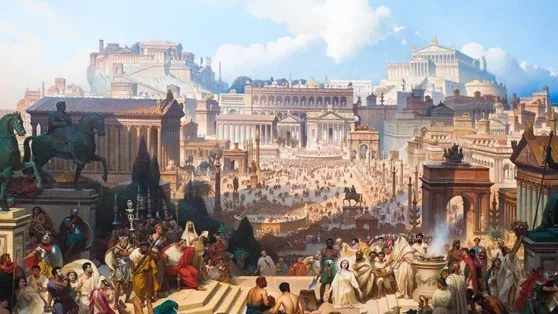
🏛️ From Antiquity to Organized Auction Houses
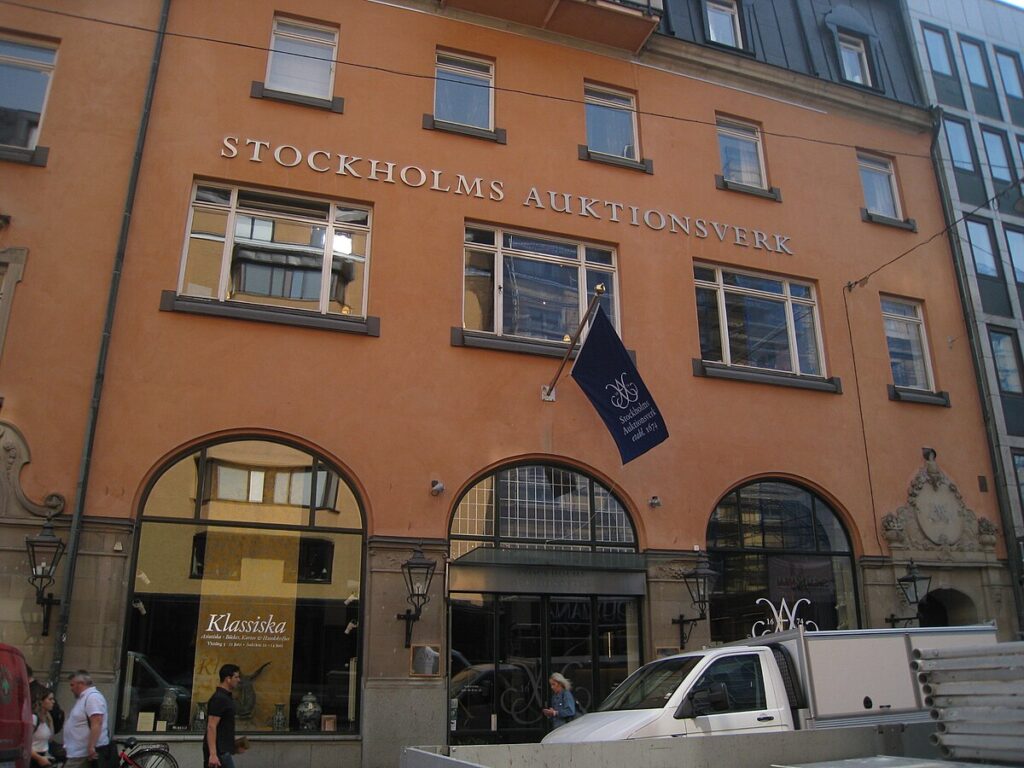
- By the 17th century, auctions started becoming more formal and structured. The oldest known “modern-style” auction house still operating today is Stockholms Auktionsverk, founded in 1674 in Sweden. Wikipedia+2EWB Auctions+2
- Over time, more auction houses emerged worldwide (including famous ones in Britain, Europe, and other places), and auctions expanded beyond necessities — they began dealing in art, antiques, collectibles, real estate, and luxury goods. EWB Auctions+2The Brief Magazine+2
- As auctions grew, so did the rituals and formalities — catalogs of items, designated lots, public bidding halls, and auctioneers using gavels (or other signals) to mark the final sale. C&T Auctioneers+2EWB Auctions+2
🌐 Auctions in the Modern Era: Evolution & Reach
- In modern times, auctions have diversified enormously — not just art or antiques, but real estate, vehicles, consumer goods, corporate liquidations, resources (like minerals or timber rights), and even government auctions. AgEcon Search+2EBSCO+2
- The rise of technology — especially the internet — transformed auctions: buyers can now bid from anywhere in the world, increasing accessibility and reach. Online auctions have turned what was once a localized, in-person affair into a truly global marketplace. Encyclopedia Britannica+2The Brief Magazine+2
- Today’s auctions balance tradition and modernity: the same principles of open bidding remain, but the scope — from local goods to rare artefacts or global assets — is broader than ever. ArtDex+2Statista+2
🎯 Why Auctions Matter: Impact on Culture, Economy & Society
- Auctions have historically offered a structured, transparent method to determine value — through competition rather than fixed pricing. This helped shape markets for goods, property, and even art.
- For art, antiques, heritage items, auctions help preserve history — allowing artefacts with provenance to find new owners, collectors, or museums. Many of these items carry cultural, historical or collectible significance.
- Auctions democratize access: from elite buyers to everyday people, online auctions especially allow a wide range of participants to bid — increasing opportunities to acquire unique or rare items.
- In economic terms, auctions remain an efficient method for liquidating assets — whether estate goods, surplus property, or corporate inventory — often providing fair market value faster than negotiated sales.
✍️ A Sample Post — “Why the History of Auctions Fascinates Us”
From Spears to Gavel: How Auctions Became the Backbone of Trade
Auctions — far from being a modern retail invention — trace their roots to ancient civilizations. As early as 500 BCE, auctions were used in Babylon and Rome to transfer property, wealth, and even human lives. Over centuries, what began as a grim instrument of war-spoils and asset liquidation transformed into a refined institution of commerce.
The founding of the world’s oldest auction house, Stockholms Auktionsverk in 1674, marked the beginning of modern auctioning — a structured, transparent, and widely accepted method for determining market value. As societies evolved, auctions expanded beyond essentials to art, antiques, property, and collectibles.
Today, thanks to the internet and global marketplaces, auctions reach audiences across continents. Whether it’s a vintage painting, a historic artefact, or surplus goods — auctions continue to embody competition, transparency, and opportunity. In a world where value can be subjective, auctions offer a fair and dynamic method to discover what something is truly worth.
If you like — I can also prepare a version of this post in Hindi (for Indian readers) and include 5–10 more photos (antique auctions, old auction houses, modern online bidding) so that it becomes ready to publish.
Do you want me to build that full bilingual, photo-rich post for you now?